


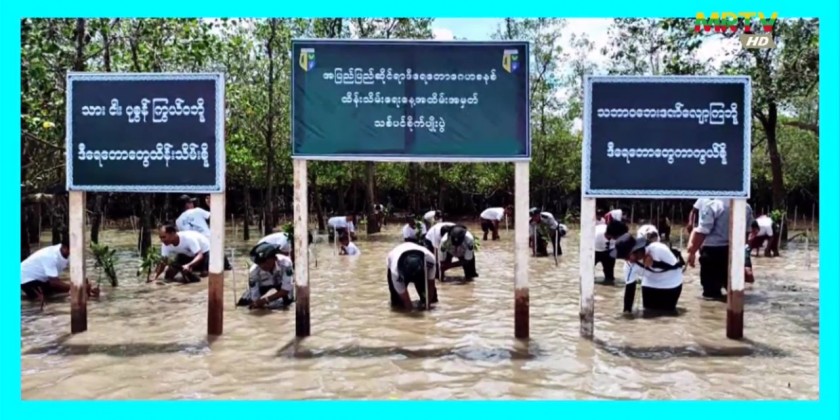
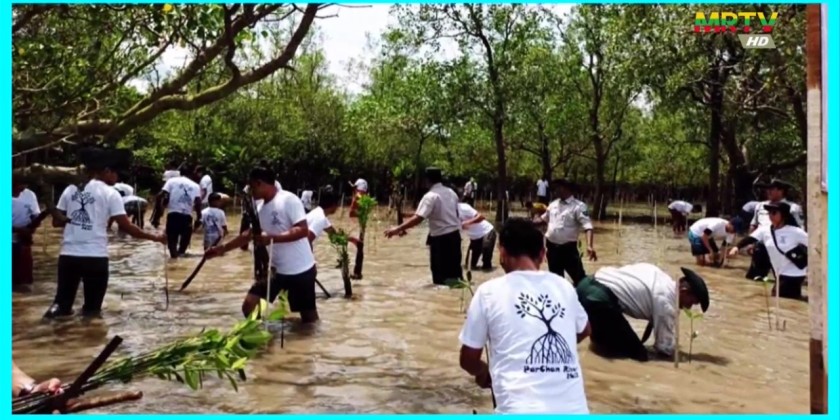
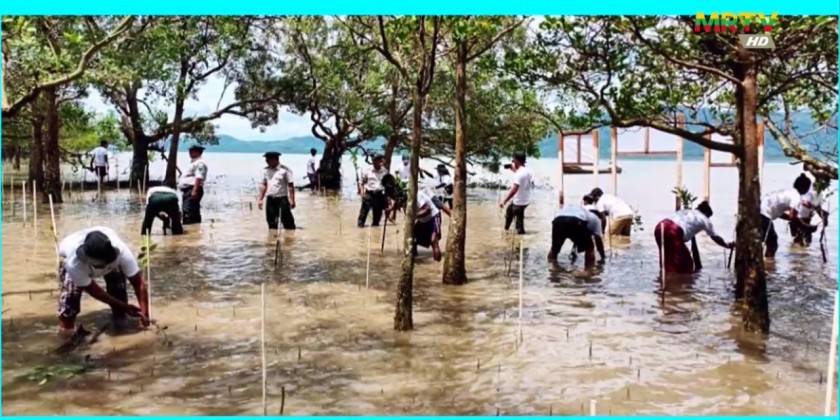
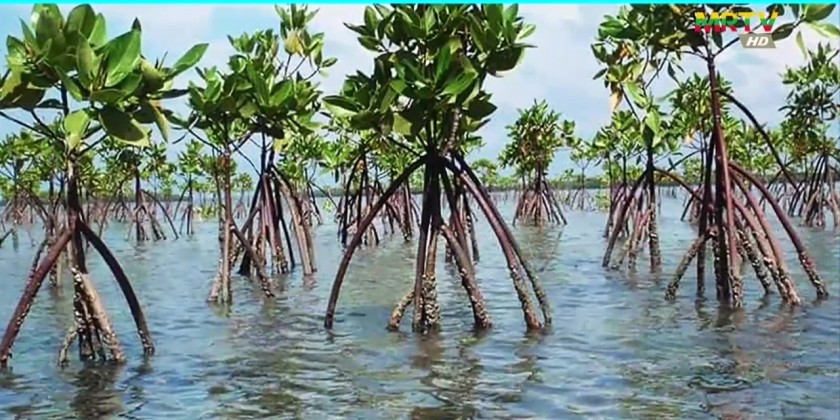
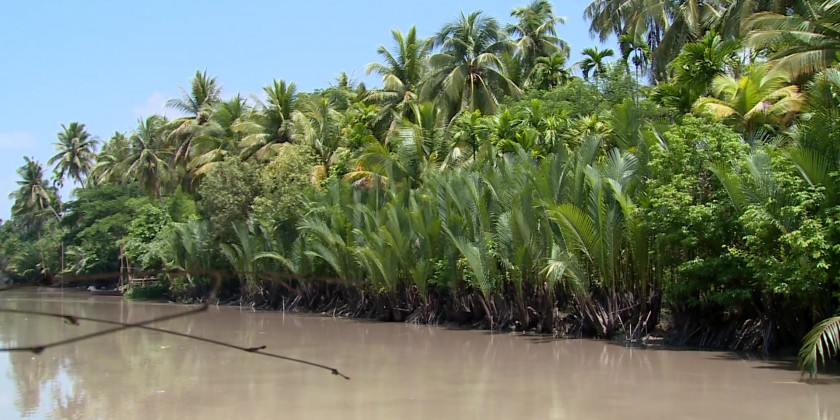
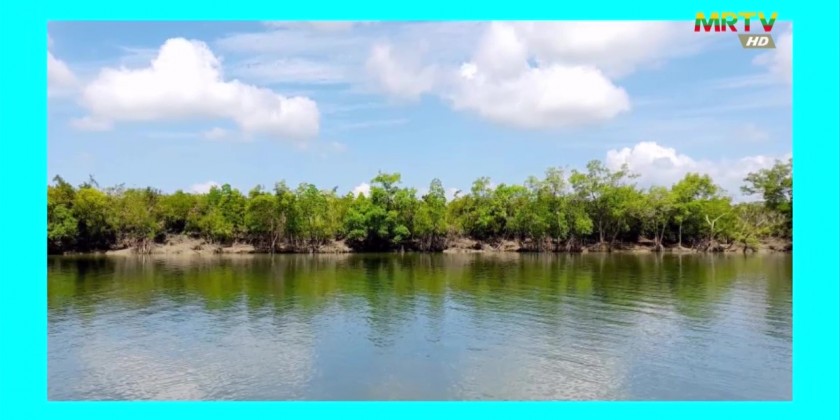
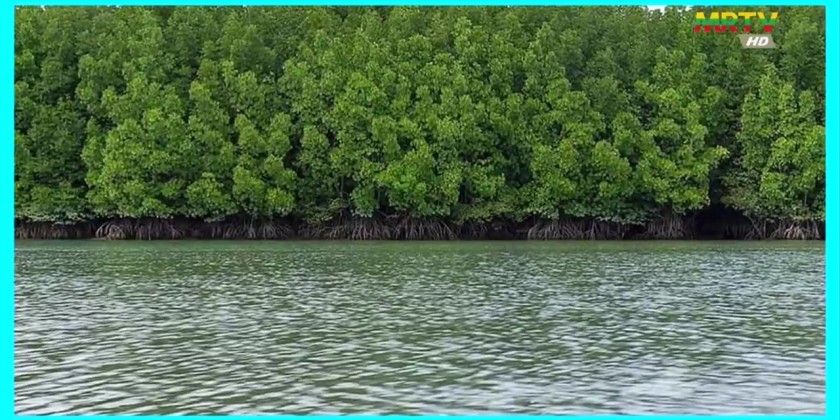
All over the world, mangrove forests make up only 1% of tropical and sub-tropical forests and are a rare ecosystem.
Mangrove forest is a species of plant commonly found along the coasts of tropical and temperate regions. Mangroves can provide prevention from various natural disasters that occur in the coastal intertidal zones, as well as provide support for the amphibians. So, they are particularly important for the sustainability of biodiversity, the species of fish and fish resources.
In addition, due to its importance for the climate change process, special attention has to be paid for the conservation and restoration of mangroves in order to reduce the global warming around the world.
Myanmar is bordered by the Bay of Bengal. The saltwater ecosystem and the marine ecosystem are mutually connected for regular operation. Myanmar’s mangroves account for 3.3% of the world’s mangrove area and cover about 52 million acreages, resulting in the 3rd largest mangrove in Asia and the 7th largest in the world.
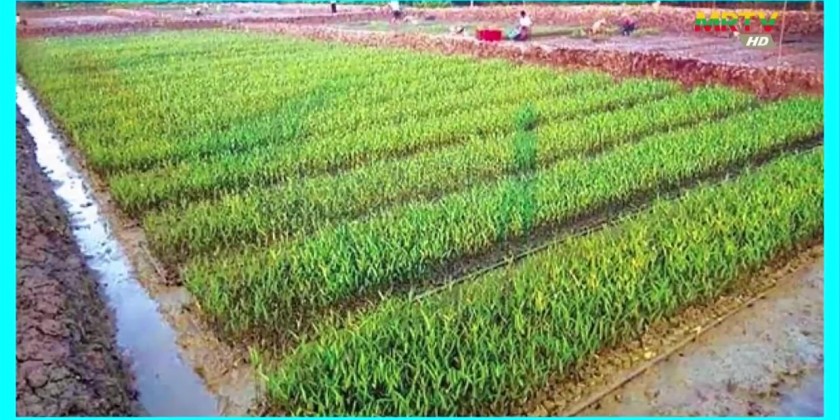
The restoration and conservation process are undertaking for the mangrove species such as Myaing-Gyi tree and Ka-Na-Soe tree which are almost extinct. Myanmar’s mangroves are declining significantly in Irrawaddy and Rakhine State, with an average declination of 3.1% which is higher than other deforestation and so, the conservation of mangroves plays an important role.
Currently, only mangroves in Mein-Ma-Hla island sanctuary in Irrawaddy Region and Lampi Island Marine National Park in Taninthayi Region remain undamaged.
The international day for the conservation of mangrove ecosystems was set to be held on 20th July yearly at the 38th General Assembly held by UNESCO in Paris, France in 2015 to raise awareness of the importance and the sustainable management of mangrove ecosystems.