


Chaired by President U Min Aung Hlaing, the National Solidarity and Peace-making Central Committee is implementing country’s development and stability through peace processes.
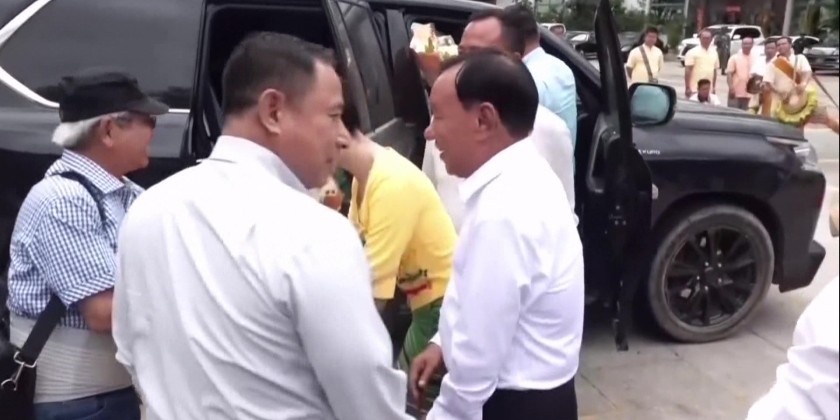
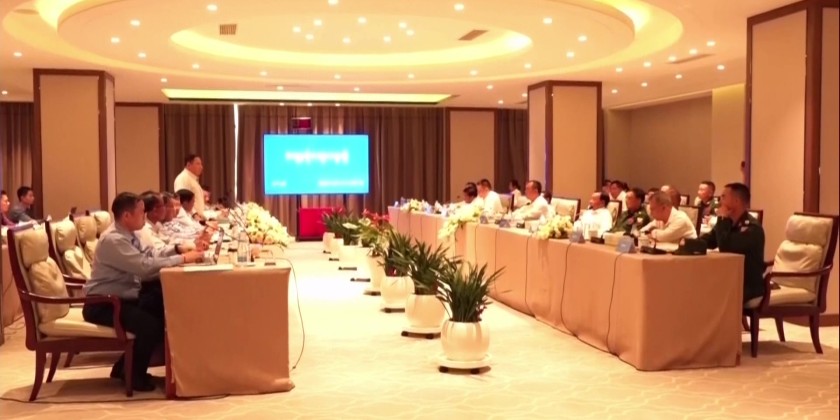
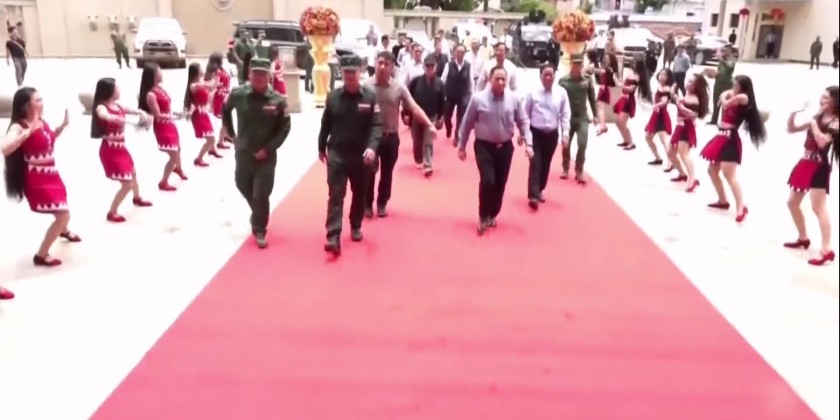
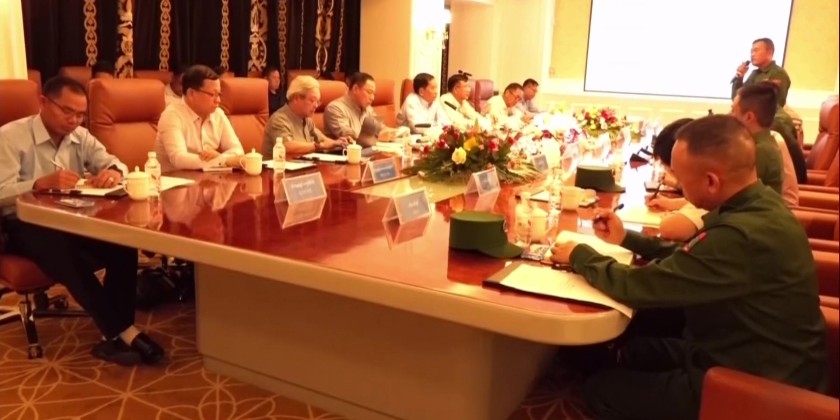
In this efforts, the ethnic armed organizations are invited to participate in peace talks by Order No.1/2026. On June 17, a delegation led by Chairman of the National Solidarity and Peace-making Negotiation Committee Lt-Gen Yar Pyae left for Mong La Township of Shan State to hold peace talks with the National Democratic Alliance Army (NDAA).
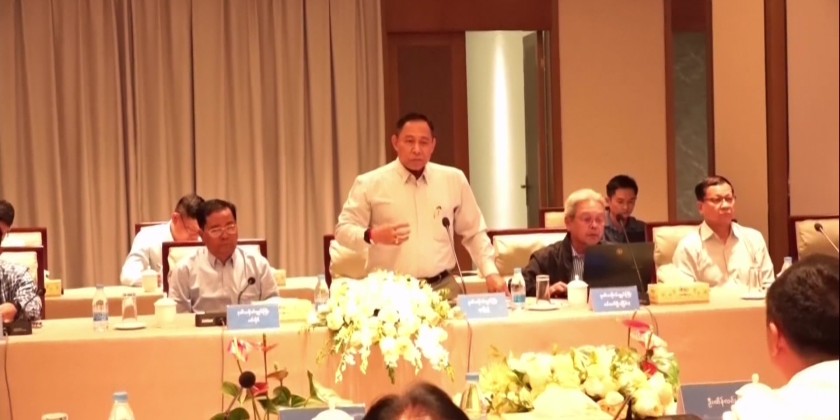
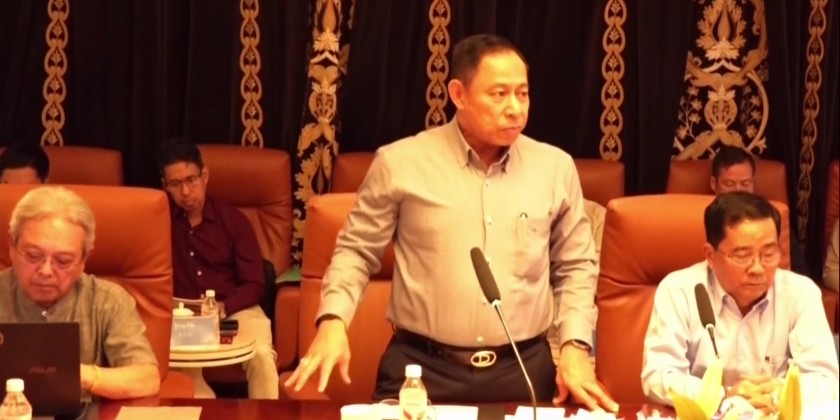
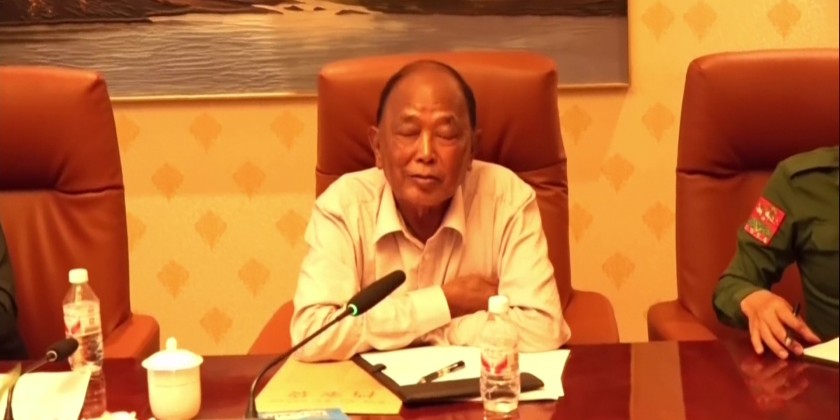
During the meeting, Lt-Gen Yar Pyae clarified the ongoing peace processes. NDAA Chairman U Htien Lin expressed words of honour by acknowledging the President’s priority in peace, national reconciliation, education, economic development, and socio-economic stability of the country.
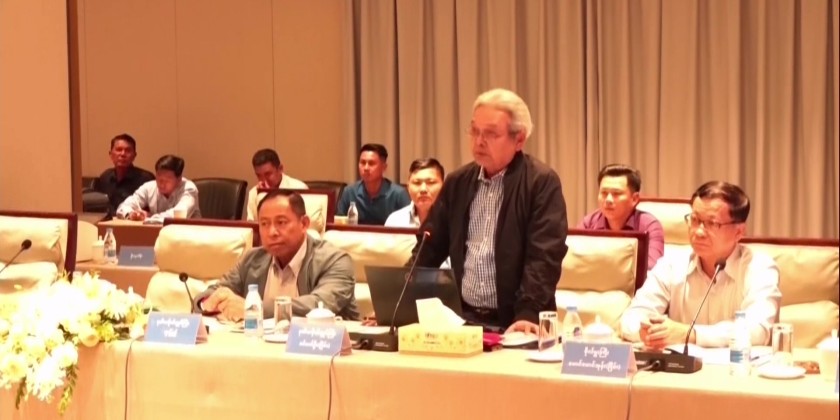
He added that he will continue to work towards peace, unity, and development to ensure the sovereignty of the country, ethnic unity, national peace, and development of the border areas. NDAA Vice Chairman U San Pae also explained the efforts for regional development.
The discussion focused on regional development, peace, education, health, agriculture and livestock sector as well as combating drug trafficking, online scam and fraud, suppression of cross-border crimes and smooth transportation access.
On June 18th, the delegation led by Lt-Gen Yar Pyae met with Vice Chairman of the United Wa State Party (UWSP) and high ranking delegations at Pangsang Township. They held discussions on the status of invitation for peace talk, safeguarding the national unity and harmony, further advancing the peace process and development of socio-economic life of people under the leadership of the President and the new Union Government.
They also exchanged views on the need to conduct political dialogue in tackling the differences, and other regional issues. The meeting also discussed matters on current political developments, peace efforts, stability and development in the border areas, and implementation of political goals.