


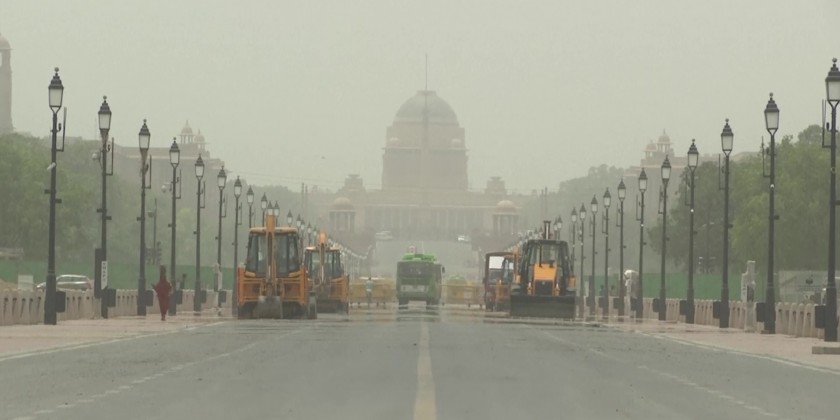




The devastating heat wave that has baked India and Pakistan in recent months was made more likely by climate change and is a glimpse of the region's future, international scientists said.
The World Weather Attribution group analyzed historical weather data that suggested early, long heat waves that impact a massive geographical area are rare, once-a-century events. But the current level of global warming, caused by human-caused climate change, has made those heat waves 30 times more likely.
Arpita Mondal, Climate Scientist, Indian Institute of Technology said "I think right now the scientific evidence is overwhelming in concluding that this kind of event is becoming more and more frequent, more intense because of climate change. And indeed, this is a sign of things to come."
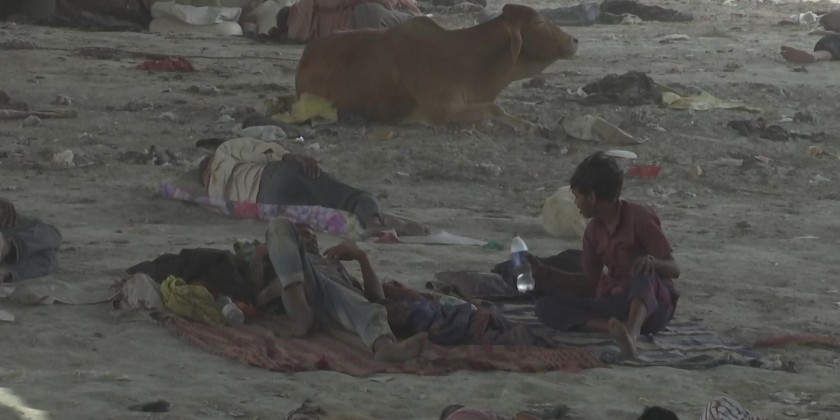
According to an analysis, South Asia is the most affected by heat stress that at least 90 people have died in the India and Pakistan. Children and the elderly are most at risk from heat stress, but its impact is also inordinately bigger for the poor who may not have access to cooling or water and often live in crowded slums that are hotter than leafier, wealthier neighborhoods.
Some Indian cities have tried to find solutions. Experts agree the heat wave underscores the need for the world to not just combat climate change by cutting down greenhouse gas emissions, but to also adapt to its harmful impacts as quickly as possible.