


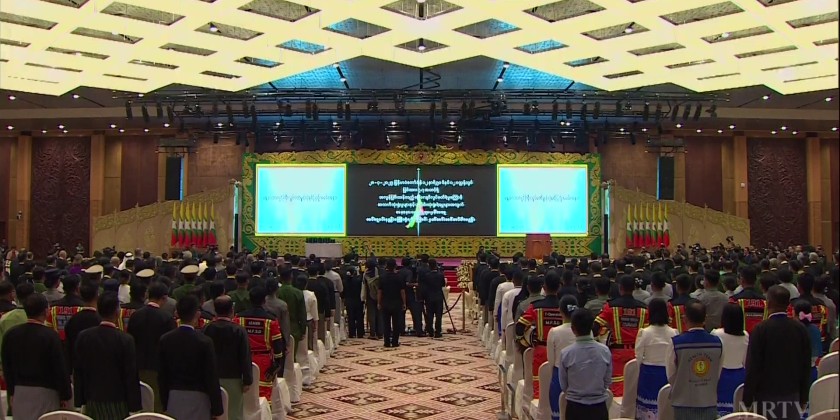
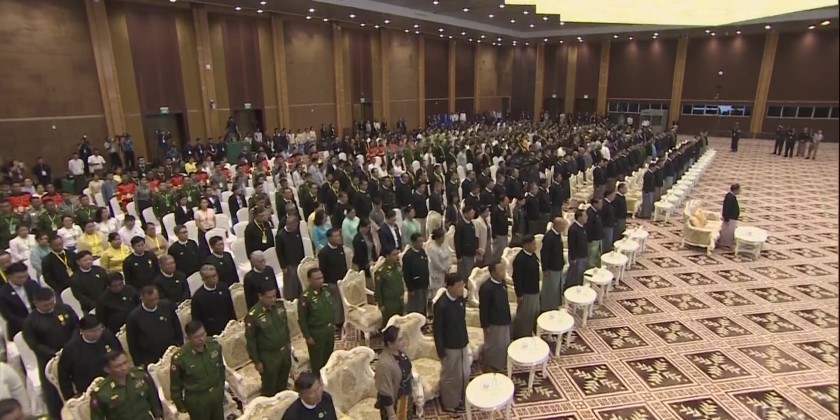
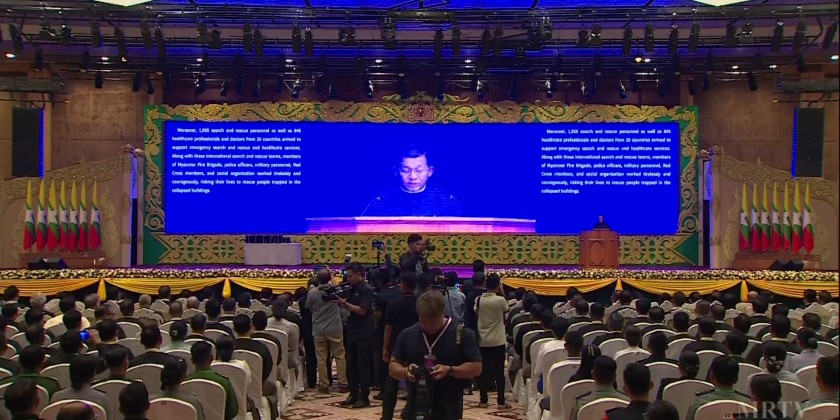
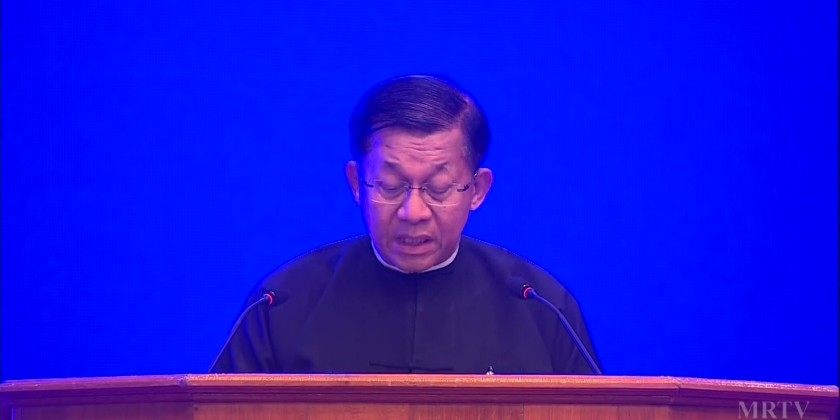


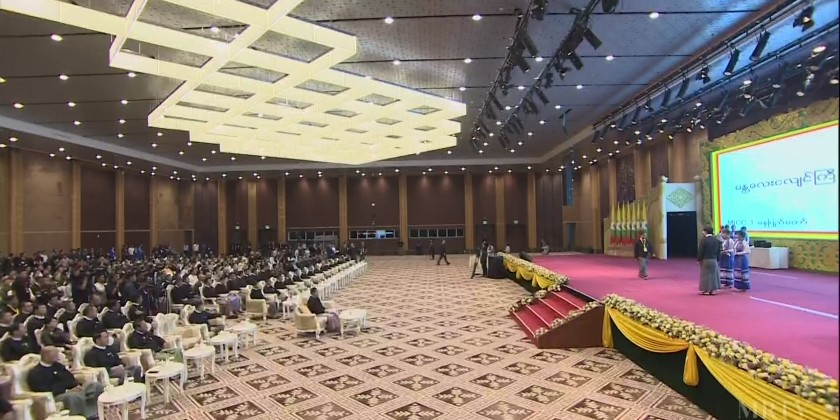
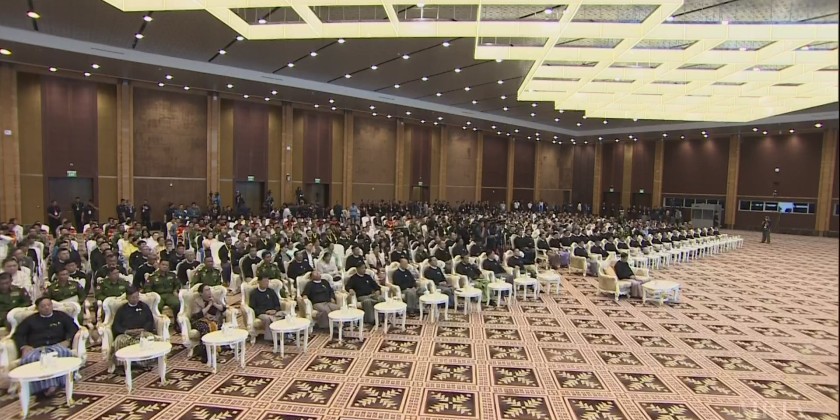
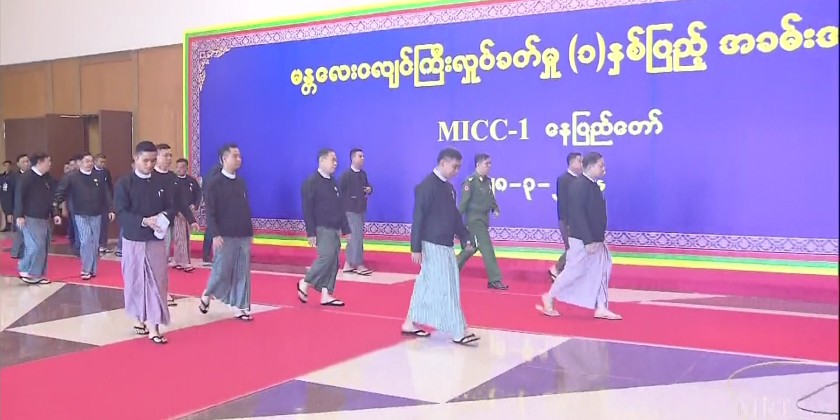

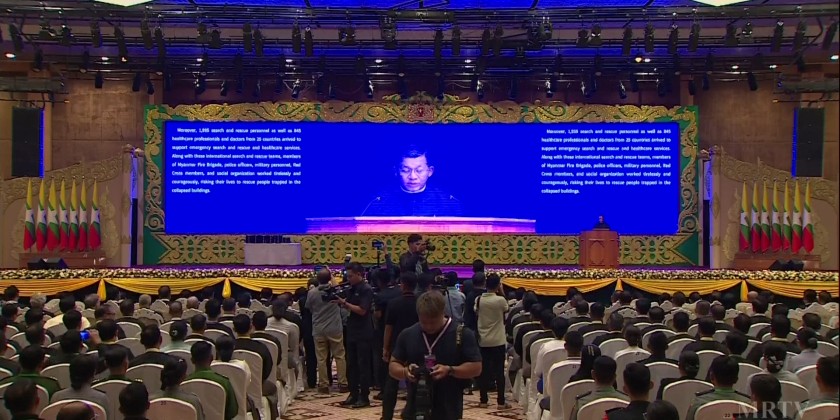
Myanmar commemorated the first anniversary of the devastating Mandalay earthquake with a ceremony held in Nay Pyi Taw on Saturday, with the attendance of Acting President Chairman of the State Security and Peace Commission Senior General Min Aung Hlaing.
The ceremony commenced with the observance of one-minute silence for those who lost their lives during the devastating earthquake.
In his opening address, the Acting President acknowledged the resilience of the people in the face of one of the country’s deadliest natural disasters. He highlighted the rapid mobilization of rescue operations and the outpouring of both domestic and international assistance.
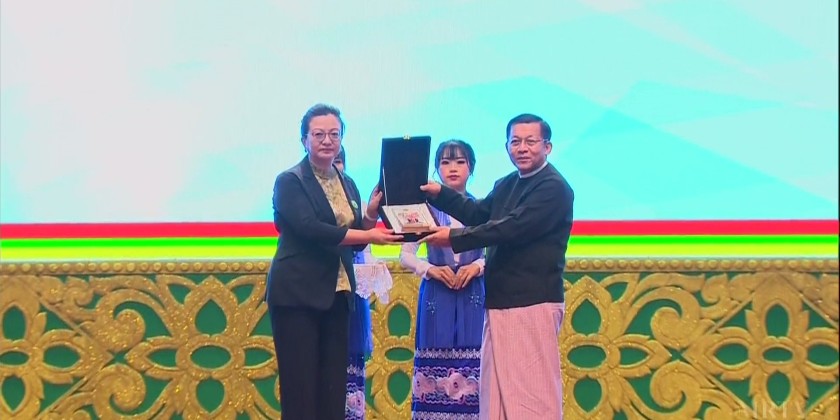
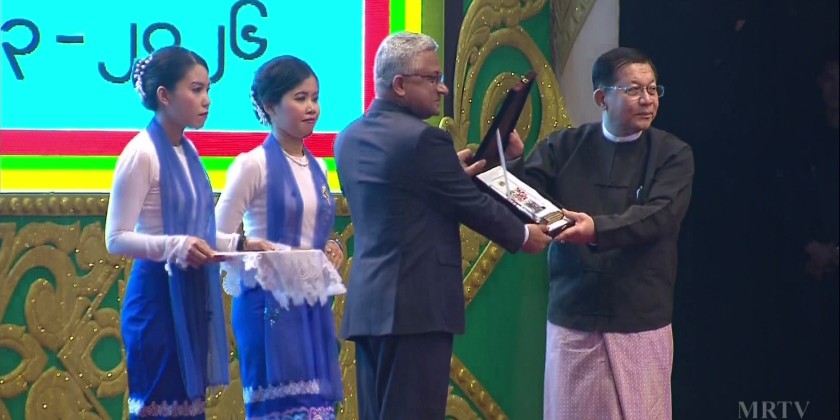
Concluding his speech, the Acting President called for unity and collective action, urging all to transform the hardships into strength and work together to build a resilient and sustainable nation. This was followed by presentation of honorary awards to the individuals who contributed for the rescue, relief and rehabilitation measures.
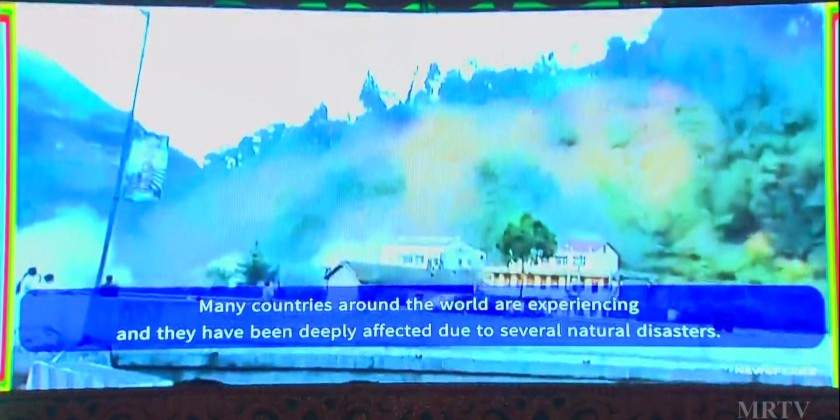
The ceremony also featured a video presentation on the title "Build back better after the Mandalay Earthquake", documenting the relief and rehabilitation efforts in quake-hit areas. The 7.7-magnitude earthquake, which struck on March 28, 2025, claimed 3,818 lives, left five missing, and injured more than 5,100 people.
The disaster affected over 424,000 individuals across ten regions and states, including Mandalay, Sagaing and Magway Regions, Shan State, Nay Pyi Taw, and Bago Region. Nearly 280,000 people were temporarily displaced. The financial impact was severe, with losses exceeding 7,979 billion kyats across public and private sectors, compounding hardships for families and communities nationwide.
Aid totaling more than 2,600 tons arrived from countries including China, India, Japan, Thailand, and others, along with support from regional organizations such as the ASEAN Coordinating Centre for Humanitarian Assistance. International teams comprising nearly 2,000 rescue personnel and hundreds of medical workers joined local responders in life-saving efforts, rescuing 653 survivors from collapsed structures.
The government established a Disaster Management Centre immediately after the earthquake to coordinate response and recovery. Efforts have since focused on restoring essential services, rebuilding homes, and supporting affected families. Financial assistance included compensation for victims’ families and billions of kyats allocated for reconstruction of infrastructure, religious sites, schools, and healthcare facilities.
At present, about 84 percent of recovery work has been completed, with ongoing efforts guided by a “build back better” strategy. New policies aim to ensure that future construction can withstand earthquakes of up to magnitude 8.0, following findings that many casualties resulted from structurally weak buildings.
The government also emphasized the importance of long-term disaster preparedness. According to the World Risk Index 2025, Myanmar ranks sixth among countries most vulnerable to natural disasters, underscoring the need for stronger resilience measures.